Independent Judgment for Complex Valuation
Data Center & Energy Transfer Pricing
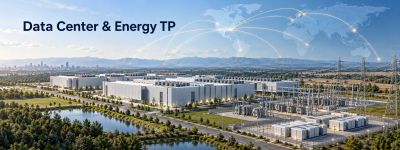
U.S. Economic Analysis for Global Digital Infrastructure
Data centers are physically situated in particular jurisdictions, but their broader economic activities may extend across national borders.
A data-center facility may be located in one U.S. state while its investors, parent companies, affiliated operators, technology providers, financing sources, and energy counterparties operate in multiple countries. Multinational groups may also share customer relationships, technical systems, procurement, management, financing, and capacity across affiliated entities.
The global use of a data center does not, by itself, create a transfer-pricing requirement. Serving unrelated foreign customers, carrying international data traffic, or receiving passive foreign investment does not necessarily constitute a controlled transaction.
Transfer pricing becomes relevant when commonly controlled entities in different jurisdictions exchange:
- Property or infrastructure rights
- Data-center capacity
- Energy
- Equipment
- Development and technical services
- Financing
- Guarantees
- Technology or intellectual property
- Management and administrative services
- Other economic benefits
Alpha Consulting US provides specialized specialized U.S. economic analysis for multinational data-center and energy organizations, project SPVs, investors, developers, operators, and their tax and transaction advisers.
The objective is to determine whether the compensation and resulting income allocated to the U.S. entity are consistent with the functions performed, assets employed, risks assumed, contractual rights, and commercially available alternatives of the controlled participants.
U.S.-Owned Data Centers and Transfer Pricing
Many data centers are owned by U.S. companies. U.S. ownership does not eliminate transfer-pricing considerations when the organization has controlled transactions with foreign affiliates.
A U.S.-headquartered data-center group may have foreign subsidiaries or related entities that:
- Own or operate overseas facilities
- Market or contract for global capacity
- Provide engineering and technical services
- Hold technology or operating intellectual property
- Procure equipment
- Arrange intercompany financing
- Provide parent guarantees
- Manage global customer relationships
- Develop energy assets
- Allocate centralized management costs
The U.S. tax-related economic question is how much income and expense properly belongs to the U.S. company in relation to the contributions of its controlled foreign affiliates.
The same issue arises when a foreign data-center, infrastructure, or investment group establishes or acquires a U.S. data-center operation.
Globally Integrated, Locally Situated
A U.S. data center depends on locally situated assets and activities, including:
- Land and buildings
- Utility service
- Substations and electrical infrastructure
- Mechanical and cooling systems
- Water availability
- Fiber access
- Permits and development approvals
- Local employees
- Facility operations
- Environmental and regulatory compliance
Its broader economics may also depend on functions and resources located elsewhere:
- Global customer relationships
- Centralized capacity contracting
- Foreign investment capital
- Intercompany debt
- Parent guarantees
- Shared technology platforms
- Network architecture
- Global procurement
- Energy strategies
- Centralized management
- Intellectual property
Transfer pricing must connect the U.S. asset base and operations with the contributions of the global enterprise.
Neither the physical location of the facility nor the location of the parent company should automatically determine entitlement to the project’s entire return.
Data-Center and Energy SPVs
An integrated project may involve separate data-center and energy special-purpose entities.
A data-center SPV may own or control:
- Land and site improvements
- Data-center buildings
- Mechanical and electrical systems
- Network infrastructure
- Customer and capacity contracts
- Operating permits
- Data-center operations
A related energy SPV may own or control:
- Power-generation assets
- Battery storage
- Substations and transmission infrastructure
- Interconnection rights
- Fuel-supply arrangements
- Power Purchase Agreements
- Energy-management functions
Additional affiliated entities may provide financing, technology, development services, customer access, management, or parent support.
The entities may exchange power, capacity, infrastructure access, development services, financing, guarantees, and operational support. Transfer pricing should reflect the actual economic contribution of each participant.
Legal ownership of an asset, SPV, or contract does not, by itself, establish entitlement to all associated income.
Power as an Economic Component
Power is not simply a routine utility expense in a large data-center project.
Its economic importance may depend on:
- Energized capacity
- Contracted future capacity
- Interconnection position and queue vintage
- Delivery timing
- Firm or interruptible service
- Generation source
- Transmission and substation requirements
- Redundancy and reliability
- Expansion capability
- Fuel availability
- Storage capacity
- Environmental attributes
- Regulatory limitations
- Capital required to achieve deliverability
A site with secured and deliverable power may have materially different economics from land supported only by preliminary utility discussions.
The transfer-pricing analysis may need to distinguish among:
- Raw land
- Real property and site improvements
- Electrical infrastructure
- Development and interconnection rights
- Contractual power rights
- Energy supplied
- Operating and balancing services
- Entrepreneurial development risk
This separation helps prevent the entire project return from being attributed to one entity merely because it holds title to the land, power contract, or operating company.
Power Purchase Agreements
A controlled Power Purchase Agreement may govern the price, quantity, term, reliability, and delivery of electricity between an affiliated energy SPV and data-center SPV.
Relevant considerations may include:
- Contract price
- Market power prices
- Contracted capacity
- Take-or-pay obligations
- Escalation provisions
- Curtailment rights
- Delivery point
- Transmission responsibility
- Reliability requirements
- Renewable-energy attributes
- Fuel-price exposure
- Construction and completion risk
- Credit support
- Remaining contract term
- Termination rights
- Alternative power sources
A long-term PPA may provide price stability and support project financing, but it may also transfer market, volume, fuel, curtailment, construction, or credit risk between the related entities.
The agreement should be evaluated as an integrated set of rights and obligations rather than solely through a comparison of stated energy prices.
Data-Center Property and Capacity Arrangements
Controlled property and capacity transactions may include:
- Ground leases
- Powered-land leases
- Powered-shell leases
- Wholesale data-center leases
- Colocation arrangements
- Capacity reservations
- Infrastructure-access charges
- Substation or transmission access
- Shared cooling and water systems
- Equipment leases
Relevant economic factors may include:
- Delivered megawatts
- Timing and certainty of delivery
- Building and equipment specifications
- Power density
- Cooling configuration
- Redundancy
- Network connectivity
- Expansion rights
- Contract term
- Customer credit
- Capital expenditure obligations
- Operating and maintenance responsibilities
- Alternative sites and available capacity
Pricing based only on acreage, square footage, or conventional industrial rent may not reflect the contribution of secured power, delivery timing, and specialized infrastructure.
Development and Technical Services
Data-center and energy projects frequently require significant controlled services before commercial operation.
These may include:
- Site identification and control
- Utility coordination
- Interconnection management
- Engineering and design
- Entitlement and permitting support
- Construction oversight
- Equipment procurement
- Power-system integration
- Network planning
- Testing and commissioning
- Customer development
- Project and program management
The analysis should identify:
- Which entity performs the activity
- Which entity controls the work
- Which entity funds the expenditure
- Which entity bears failure or delay risk
- Whether the activity creates a lasting asset or contractual right
- Whether the service is routine or value-creating
- The appropriate cost base and markup
- Whether compensation depends on successful completion
A routine cost-plus return may not be sufficient when a service provider assumes substantial development risk or creates valuable project rights. Conversely, unsuccessful preliminary activity does not necessarily support a premium return.
Intercompany Financing and Guarantees
Data-center and energy development is highly capital intensive. Investment and financing may originate in one jurisdiction while the property and operating cash flows are located in another.
Controlled financial transactions may include:
- Land-acquisition financing
- Development loans
- Construction financing
- Equipment financing
- Permanent project debt
- Working-capital facilities
- Bridge financing
- Parent guarantees
- Completion guarantees
- Performance guarantees
- Credit support for PPAs and customer contracts
The analysis may consider:
- Development stage
- Probability of completion
- Borrower creditworthiness
- Collateral
- Cash-flow coverage
- Loan term
- Currency
- Subordination
- Repayment structure
- Interest-rate environment
- Covenant protections
- Explicit and implicit group support
- Value of the guarantee
The financing analysis should be consistent with the project’s actual risk, development status, and expected ability to service debt.
Technology and Intangible Assets
A global data-center platform may use or develop intangible assets relating to:
- Data-center design
- Cooling systems
- Energy optimization
- Operating software
- Capacity-management systems
- Customer and pricing data
- Network architecture
- Construction methods
- Technical know-how
- Trade names
- Customer relationships
- Development processes
The analysis should distinguish among:
- Legal ownership
- Funding
- Development
- Enhancement
- Maintenance
- Protection
- Exploitation
- Operational control
An entity that legally owns technology does not automatically earn the entire intangible return if other controlled entities perform and control economically significant functions or bear material risks.
Likewise, a U.S. data-center operator should not automatically be characterized as routine when it controls significant infrastructure, customer, regulatory, or operating risks.
Integrated Global Project Economics
Testing each controlled payment separately may not adequately explain an integrated data-center and energy structure.
A U.S. data-center entity may pay related foreign entities for:
- Property or equipment use
- Energy
- Capacity
- Development services
- Management services
- Technology
- Interest
- Guarantees
It may also receive payments from foreign affiliates for capacity, services, technology, or other project contributions.
Each payment might appear supportable in isolation while the combined transactions leave an entity with a return inconsistent with its contributions and risks.
An integrated analysis considers how total project earnings are distributed among the related entities providing property, power, infrastructure, equipment, development activity, operating functions, financing, services, technology, and customer access.
Not every assignment requires a separate return calculation for every component. The analysis should identify economically significant contributions, avoid overlapping or duplicated compensation, and determine whether the resulting entity-level returns are commercially supportable.
Development Stage and Operating Stage
The appropriate transfer-pricing analysis changes as the project progresses.
Development Stage
Relevant matters may include:
- Land and site control
- Development funding
- Utility studies
- Interconnection rights
- Engineering
- Permitting
- Construction services
- Guarantees
- Completion risk
- Expected capacity and delivery timing
Construction and Commissioning
The analysis may address:
- Actual development cost
- Cost overruns
- Equipment procurement
- Construction financing
- Technical services
- Testing and commissioning
- Delayed completion
- Changes in expected capacity
Operating Stage
The analysis may address:
- Delivered power
- Facility and equipment rent
- Energy pricing
- Capacity charges
- Customer contracts
- Utilization
- Operating services
- Maintenance
- Financing
- Entity-level profitability
A prospective pricing policy may be established before operations begin and tested against actual results once reliable operating information becomes available.
Transfer-Pricing Methods
Depending on the controlled transaction, methods may include:
- Comparable uncontrolled price or transaction analysis
- Comparable market-rent analysis
- Cost-plus analysis
- Comparable-profits or transactional net-margin analysis
- Return-on-assets analysis
- Discounted-cash-flow analysis
- With-and-without analysis
- Option-based or probability-weighted analysis
- Residual profit-split analysis
- Other specified or unspecified methods, where appropriate
Direct comparables may be limited because data-center transactions differ in power status, delivery timing, capacity, location, contract terms, customer credit, development stage, and risk.
The selected method should reflect the actual controlled transaction rather than forcing a specialized global infrastructure arrangement into a routine operating-company benchmark.
Relationship to Purchase Price Allocation
Purchase price allocation and transfer pricing address different stages and purposes.
Purchase price allocation assigns acquisition-date value among acquired assets and assumed liabilities. Transfer pricing evaluates controlled transactions and the recurring allocation of income among related entities.
Potential areas of coordination may include:
- Real property
- Machinery and equipment
- Power and development rights
- Customer contracts
- Technology and other intangible assets
- Financing
- Contributory asset returns
- Post-acquisition restructuring
- Related-party leases
- Residual goodwill
The conclusions do not need to be identical because the applicable standards, purposes, dates, and assumptions may differ. The objective is the consistency and reconciliation of valuation evidence, not the artificial reconciliation of values.
Scope of a Data Center and Energy TP Study
Depending on the assignment, the study may include:
- Review of the global legal and organizational structure
- Identification of controlled transactions and participating entities
- Review of intercompany agreements
- Functional, asset, and risk analysis
- Analysis of U.S. property, power, equipment, and infrastructure rights
- Review of development-stage and operating-stage economics
- Selection of the most reliable transfer-pricing method
- Comparable transaction or company research
- Testing of individual controlled payments
- Review of combined project and entity-level results
- Consideration of development risk, startup losses, and excess capacity
- Preparation of transfer-pricing documentation and supporting schedules
The scope may cover one transaction, one SPV, an integrated data-center and energy structure, or a multinational data-center platform.
Independent U.S. Specialist Support
Large multinational organizations may already work with international accounting, legal, tax, or transfer-pricing firms. Alpha Consulting US may provide independent specialist analysis for the U.S. property, infrastructure, energy, and valuation components of a broader engagement.
Potential areas of specialist support include:
- Powered-property and infrastructure returns
- Data-center and energy-SPV allocation
- Power Purchase Agreement economics
- Interconnection and development rights
- Property, equipment, and operating-return reconciliation
- Development-stage risk
- Real-options and probability-weighted analysis
- PPA and transfer-pricing consistency
- Independent review of existing economic models and assumptions
The engagement may be performed directly for the multinational organization or in coordination with its existing tax, accounting, legal, or transfer-pricing advisers.
When the Service May Not Apply
A data-center project does not necessarily require transfer-pricing analysis merely because it:
- Serves international customers
- Carries data across borders
- Uses equipment manufactured overseas
- Receives passive foreign investment
- Purchases energy from an unrelated supplier
- Operates within a U.S.-only ownership structure
A controlled cross-border transaction must first be identified. If all relevant parties are unrelated, or the structure and transactions are entirely domestic, other valuation or tax issues may exist, but a cross-border TP study may not be necessary.
Independent Valuation Economics
Alpha Consulting US operates at the intersection of:
Data Centers × Energy × Infrastructure × Transfer Pricing × Valuation
This multidisciplinary approach is particularly relevant when:
- Digital operations extend across national borders
- Physical assets and global functions are held separately
- Data-center and energy activities are divided among SPVs
- Secured power and delivery timing materially affect value
- Specialized facilities have limited market comparables
- Financing and guarantees are provided internationally
- Multiple controlled charges affect the same project
- Conventional operating-company benchmarks do not fully explain the economics
Our role is to provide independent valuation and economic analysis. Legal structure, tax return positions, financial-reporting treatment, and intercompany agreements remain subject to determination by the client and its legal, accounting, and tax advisers.
David Hahn, Valuation Economist
Managing Director
CVA, ASA, CM&AA, MAFF, CCIM, MBA
Enterprise Valuation | Purchase Price Allocation | Transfer Pricing | Infrastructure Valuation